Elevator Range — 09

Goods
Elevators.

Dependable movement for logistics, warehouses and retail back-of-house — practical engineering that simply works, every day.

Overview

Reliability,
by design.

A goods lift earns its keep in uptime. Our systems favour proven mechanical design over complexity: robust guide arrangements, generous door clearances and controls a busy stockroom team can operate without a manual.

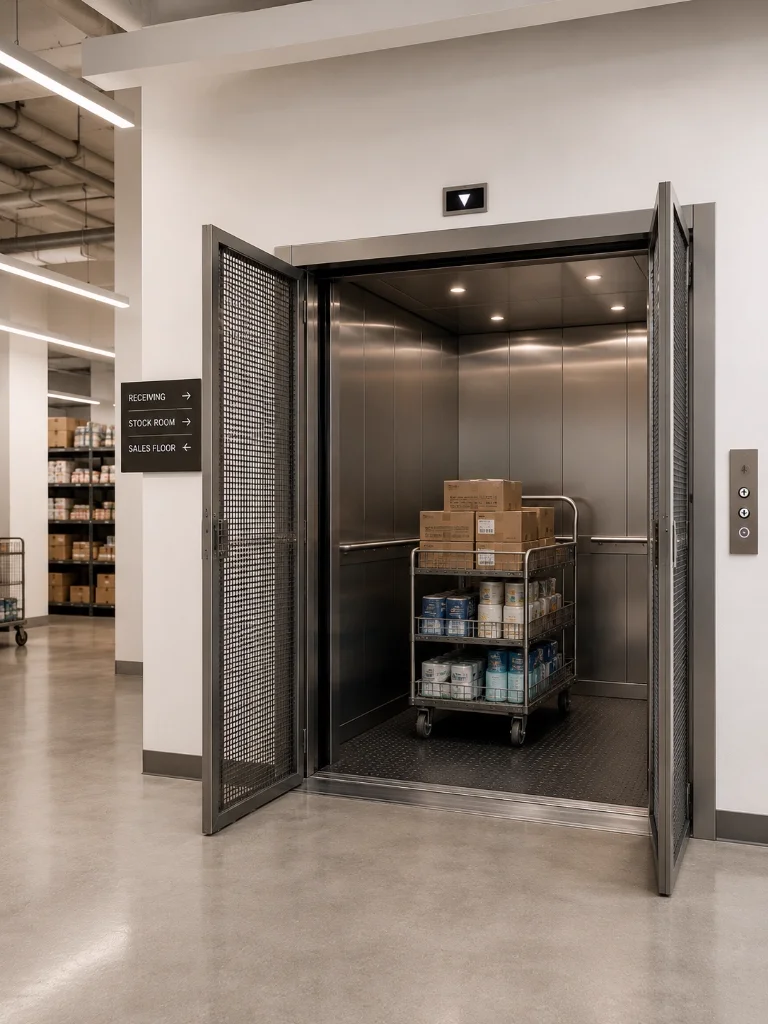
Level-floor landings and flush thresholds make trolley and cage loading effortless, while low-maintenance drives keep service intervals long and predictable.

Plan Your Back of House
Modern retail interior
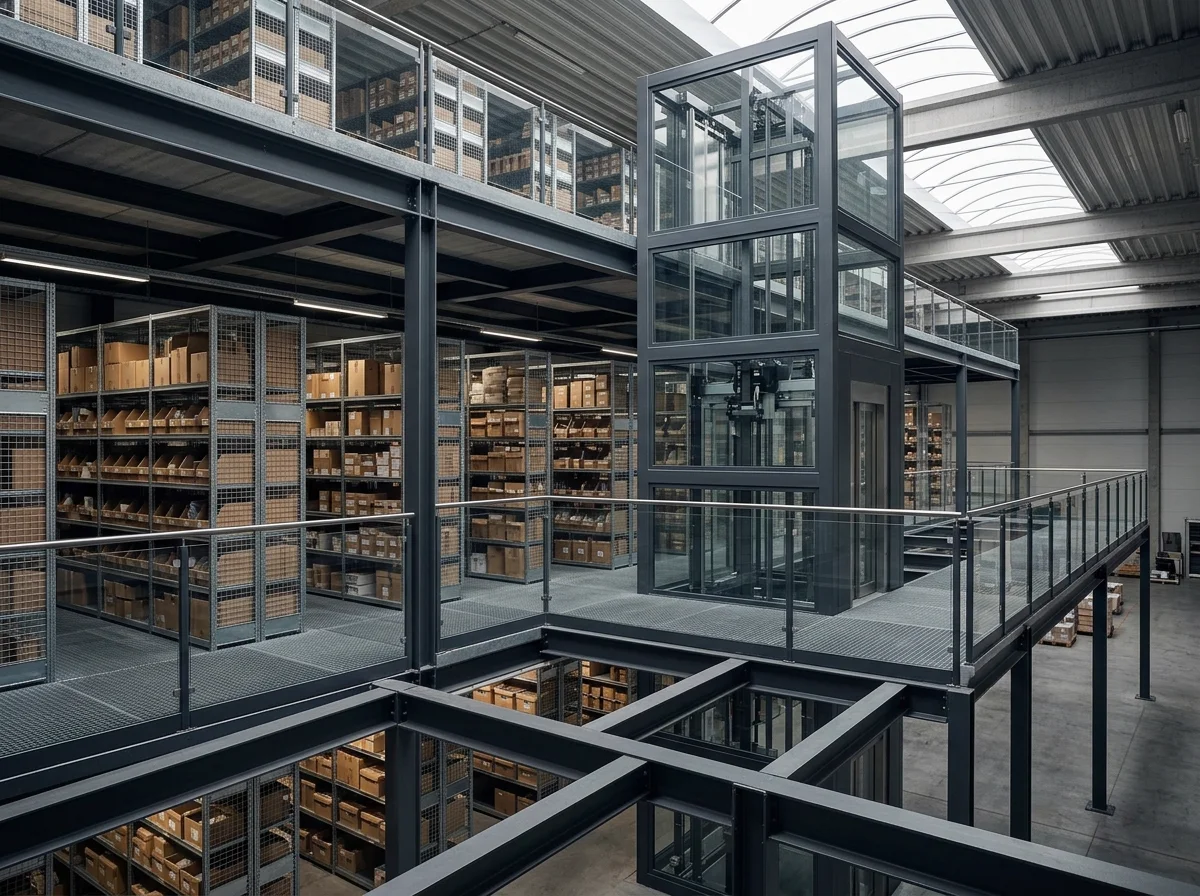
Warehouse goods elevator shelving
Warehouse goods elevator racking aisles
Technical Benefits

Engineered advantages.

+

Effortless Loading

Flush thresholds, precise floor levelling and wide clear openings make trolley traffic seamless.

+

Proven Mechanics

Straightforward, service-friendly drive design keeps reliability high and maintenance simple.

+

Reliability Metrics

99%+ availability targets backed by IoT monitoring and preventive service scheduling.

+

Right-Sized Capacity

Load classes from 250 to 2,500 kg — from stockroom dumbwaiters to full pallet cars.

FAQ

Questions,
answered.

Goods lifts serve lighter, high-frequency duties — stock trolleys, cages and parcels — while freight lifts are built for heavy industrial loads and vehicle entry.

Compact 250–500 kg cars fit within a standard storeroom footprint; larger 1,000–2,500 kg cars handle palletised deliveries.

Attended-goods configurations are certified for accompanied travel; goods-only units are interlocked to prevent passenger use.

Self-supporting shaft options and phased works keep most retail installations to a few weeks, coordinated around trading hours.

Preventive visits on a fixed calendar plus remote monitoring — most issues are resolved before the stockroom ever notices.

Book a Consultation

Speak with a goods elevator specialist.